Bay Area local businesses operate in one of the most competitive service markets in the United States.
Whether you run a clinic, dental practice, med spa, legal service, home service company, construction business, financial service, real estate service, or local B2B company, getting attention is not enough.
The real goal is simple: more calls, more form submissions, more booked appointments, and more qualified sales opportunities.
That is why local lead generation matters.
Many Bay Area businesses already have a website, social media pages, Google Business Profile, and maybe paid ads running. But they still struggle to turn traffic into real inquiries.
The issue is usually not one channel. It is the system.
A stronger lead generation system connects SEO, paid ads, landing pages, CRM, follow-up, conversion tracking, and reporting. When those pieces work together, a local business can stop guessing and start improving the full path from search to appointment.
What Local Lead Generation Means for Bay Area Businesses
Local lead generation is the process of attracting people in your service area and turning them into business inquiries.
For Bay Area businesses, this can include phone calls, contact form submissions, quote requests, consultation bookings, demo requests, email inquiries, and appointment requests.
The key difference is intent.
A random website visitor is not enough. A good local lead is someone who has a real need, fits your service area, and is close enough to take action.
For example, a person searching for a med spa near Palo Alto, a roofing contractor in San Jose, a family dentist in Oakland, or a business consultant in San Francisco is not just browsing. They are likely comparing options.
This is where a local business needs to be visible, clear, trusted, and easy to contact.
If your website is confusing, your landing page is weak, or your follow-up is slow, that lead may choose a competitor.
Why Bay Area Businesses Need More Than Traffic
Traffic is useful, but traffic alone does not create revenue.
A Bay Area business can rank on Google, run paid ads, and get website visitors, but still lose leads if the conversion path is weak.
Common problems include weak service pages, unclear offers, confusing contact forms, landing pages with too many distractions, calls and forms not being tracked, leads not being sent into a CRM, and follow-up happening too late.
This is why local lead generation should be treated as a full-funnel system, not just SEO or ads.
The real path looks like this:
Search visibility → website or landing page → lead capture → CRM → follow-up → booked appointment → sale
If one part breaks, the business loses opportunities.
Need More Bay Area Leads From Search and Ads?
I can help connect your SEO, paid ads, landing pages, CRM, automation, follow-up, and tracking into one measurable local lead generation system.
Start With Local SEO Visibility
Local SEO helps Bay Area businesses appear when people search for local services.
This includes visibility in Google Search, Google Maps, service pages, city-based searches, and problem-based searches.
Google Search Central explains that SEO helps search engines understand content and helps users decide whether to visit a page through search. For local businesses, that means your website needs to clearly explain what you do, where you serve, and why people should trust you. You can review Google’s SEO guidance here: Google Search Central SEO Starter Guide.
A strong local SEO foundation usually includes clear service pages, Google Business Profile optimization, local keyword targeting, city or service area relevance, helpful blog content, internal links, local business schema, strong title tags, mobile-friendly page structure, and clear calls to action.
If you want the basic foundation first, read this guide on local SEO for small businesses. It explains how local SEO supports Google Maps visibility, service pages, calls, bookings, and qualified leads.
For businesses that need deeper SEO support, my SEO, AEO & GEO services focus on connecting organic visibility with lead generation, answer engine visibility, AI search readiness, and conversion paths.
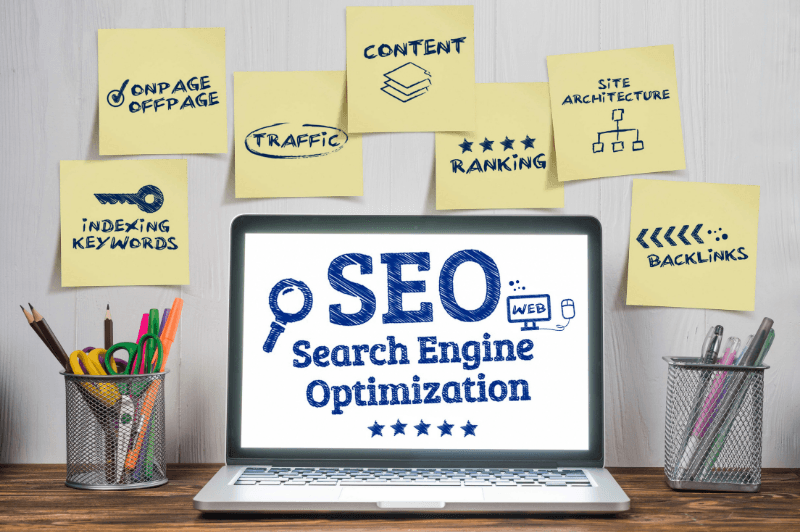
Use Paid Ads to Capture High-Intent Demand Faster
SEO builds long-term visibility, but paid ads can help Bay Area local businesses reach high-intent buyers faster.
Google Ads can capture people actively searching for a service. Meta Ads can create demand, retarget website visitors, and promote specific offers. LinkedIn Ads can support B2B service businesses, especially when targeting decision-makers.
But paid ads only work well when the system after the click is strong.
A business should not run ads into a weak homepage and expect strong results.
Paid traffic should usually go to a focused landing page built around one service, one market, and one action.
For example, a Bay Area business may need a dental implant landing page, kitchen remodeling quote page, med spa appointment page, legal consultation page, or B2B consultation page.
The ad gets attention. The landing page converts that attention.
If your business needs paid media connected to better tracking and conversion strategy, review my Paid Advertising services.
Build Landing Pages That Turn Visitors Into Leads
Website lead generation depends heavily on page structure.
A normal website page may educate. A lead generation landing page should convert.
For Bay Area local businesses, a strong landing page should include a clear headline, specific service offer, local relevance, trust signals, reviews or proof, a simple form, click-to-call button, appointment booking option, FAQ section, clear next step, and conversion tracking.
The goal is to reduce friction.
A visitor should understand what you offer, who it is for, what happens next, and why they should contact you now.
This is especially important in competitive Bay Area markets where potential customers may compare several businesses before making a decision.

Use CRM to Stop Losing Leads
Many businesses think the lead generation problem is traffic, but the real issue is often follow-up.
Leads get lost in email inboxes, spreadsheets, missed calls, website forms, social media messages, and staff conversations.
A CRM solves this by organizing leads into a clear pipeline.
A good CRM setup can track lead name, contact details, source, service requested, inquiry status, appointment status, follow-up status, notes, sales stage, and closed or lost outcome.
This is where a local business starts operating better.
Instead of asking, “Did we get leads?” the business can ask, “Which leads came in, where did they come from, who followed up, and what happened next?”
That is the difference between marketing activity and a real lead generation system.
Automate Follow-Up Without Removing the Human Touch
Fast follow-up can improve lead conversion.
If someone fills out a form and waits two days for a response, they may already book with another provider.
Automation helps reduce this gap.
A simple follow-up system can include instant lead notification, automatic confirmation message, CRM pipeline update, internal team alert, follow-up reminder, appointment confirmation, no-show follow-up, and long-term nurture sequence.
Automation does not replace human sales conversations. It supports them.
For Bay Area businesses with higher service values, even one missed lead can mean lost revenue. This is why CRM and follow-up should be part of the lead generation system from the beginning.
A similar full-funnel principle applies outside the U.S. as well. This article on how Singapore local businesses can generate more leads explains how SEO, landing pages, CRM, automation, and tracking work together to improve lead quality and response speed.
Track Calls, Forms, and Booked Appointments
If you are not tracking lead actions, you are guessing.
Bay Area businesses should not only track clicks and website visits. They should track meaningful actions.
This includes phone clicks, contact form submissions, booking form submissions, quote requests, consultation requests, landing page conversion rate, cost per lead, lead source, booked appointment rate, and closed revenue by source.
Google Analytics Help explains how businesses can report on lead generation form activity, including form views, form starts, and form submissions. You can review the guidance here: Google Analytics Help.
This matters because a campaign can look good in clicks but weak in real lead quality.
One campaign may produce cheaper leads but few booked appointments. Another may produce fewer leads but better clients.
Without tracking, you cannot know which one deserves more budget.
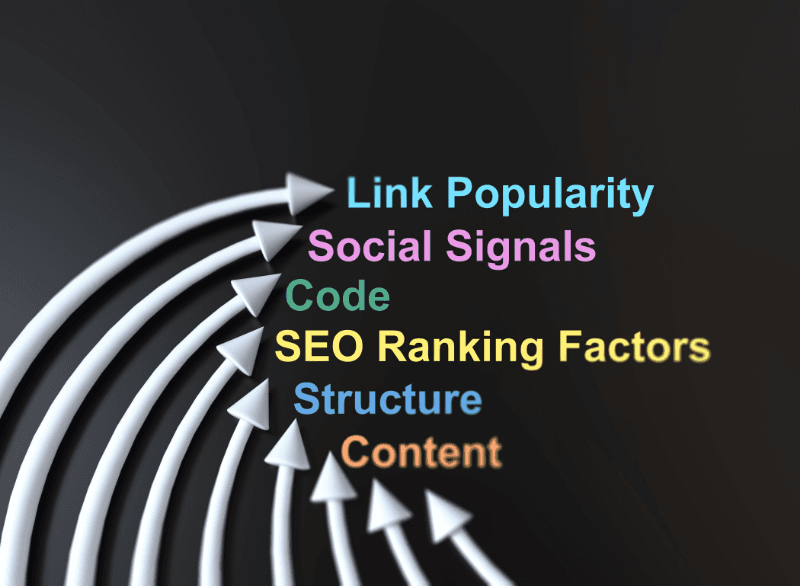
Understand the Local Market and Competitors
The Bay Area is not one single market.
San Francisco, Oakland, San Jose, Palo Alto, Berkeley, Fremont, Walnut Creek, and surrounding areas can have different customer behavior, income levels, service demand, and competition.
That is why local businesses should understand the market before choosing keywords, offers, and campaigns.
The SBA’s guide on market research and competitive analysis explains that market research helps businesses find customers, while competitive analysis helps businesses become distinct. You can review the SBA resource here: SBA.gov Market Research and Competitive Analysis.
For local lead generation, that means you need to understand who your best customers are, what services they search for, which competitors appear in local results, what offers competitors use, what proof customers expect, which locations are worth targeting, and which services create the best return.
This helps prevent wasted SEO and ad spend.
How Bay Area Businesses Can Build a Lead Generation System
A practical lead generation system does not need to be complicated at the start.
It needs to be clear.
A basic system can look like this:
- Identify the highest-value services.
- Build or improve service pages.
- Create focused landing pages for paid ads.
- Improve local SEO and Google Business Profile visibility.
- Add clear forms, phone buttons, and booking options.
- Connect every lead source to a CRM.
- Automate first response and follow-up reminders.
- Track calls, forms, bookings, and close rates.
- Review which channels produce the best leads.
- Improve based on data.
This is how a local business moves from random marketing activity to a measurable growth system.
If you are comparing SEO support, this guide on local SEO specialist vs consultant explains when a business needs execution, strategy, diagnosis, or full-funnel growth support.
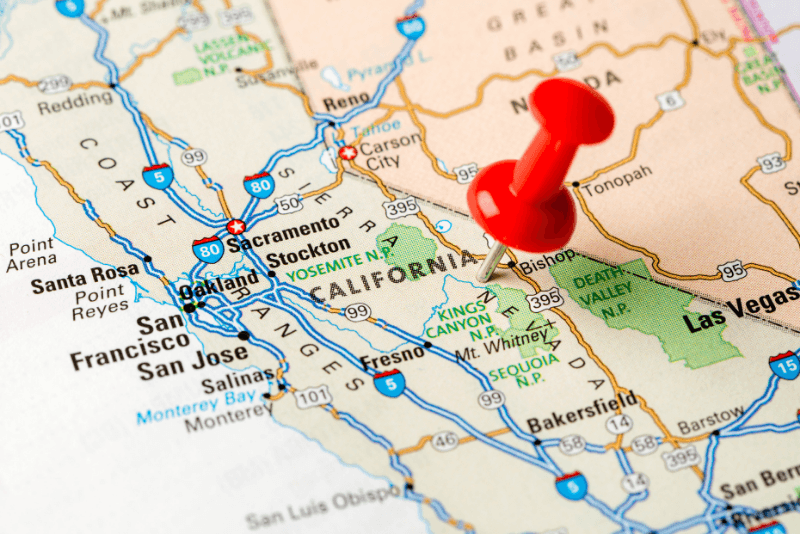
Common Lead Generation Mistakes
Bay Area local businesses often lose leads because of avoidable system gaps.
Common mistakes include sending all traffic to the homepage, running ads without conversion tracking, having weak service pages, not using local SEO properly, not tracking phone calls, using forms that are too long or unclear, responding too slowly, not using CRM, measuring clicks instead of booked appointments, not separating lead quality by channel, and treating SEO and paid ads as separate systems.
The strongest local businesses do not just get more traffic. They improve the full path from search to sale.
Final Thoughts
Bay Area local businesses can generate more leads by building a system, not by relying on one tactic.
SEO helps build long-term visibility. Paid ads help capture demand faster. Landing pages improve conversion. CRM organizes leads. Automation improves follow-up. Tracking shows what is working.
For local service businesses, the goal is not just more traffic.
The goal is more calls, forms, booked appointments, and qualified sales opportunities.
If your Bay Area business is getting traffic but not enough leads, the issue may not be visibility alone. It may be the system after the click.
JC Growth Systems Inc. Bay Area Lead Generation Support.
Full-funnel growth systems for Bay Area local businesses, service businesses, clinics, consultants, B2B providers, and appointment-based businesses that need more qualified leads, calls, forms, and booked appointments.
Frequently Asked Questions
What is local lead generation?
Local lead generation is the process of attracting people in a specific service area and turning them into calls, forms, appointments, quote requests, or sales opportunities. It usually includes SEO, paid ads, landing pages, CRM, automation, and follow-up.
How can Bay Area local businesses generate more leads?
Bay Area local businesses can generate more leads by improving local SEO, creating focused landing pages, running targeted paid ads, using CRM, tracking calls and forms, and following up quickly with every lead.
Is SEO enough for local lead generation?
SEO is important, but SEO alone is usually not enough. A stronger system connects SEO with landing pages, lead capture, tracking, CRM, and follow-up so traffic can turn into real inquiries and appointments.
Should Bay Area businesses use paid ads for lead generation?
Yes. Paid ads can help Bay Area businesses generate leads faster, especially for high-intent services. However, ads should be connected to strong landing pages, conversion tracking, CRM, and follow-up systems.
What should a lead generation website include?
A lead generation website should include clear service pages, local relevance, strong calls to action, simple forms, phone buttons, appointment booking options, trust signals, FAQs, internal links, and conversion tracking.
Why is CRM important for local lead generation?
CRM is important because it helps businesses store, organize, track, and follow up with leads. Without CRM, leads can get lost in emails, spreadsheets, missed calls, or manual follow-up gaps.