Category: Go High Level

  • How Bay Area Local Businesses Can Generate More Leads

    How Bay Area Local Businesses Can Generate More Leads

    Bay Area local businesses operate in one of the most competitive service markets in the United States.

    Whether you run a clinic, dental practice, med spa, legal service, home service company, construction business, financial service, real estate service, or local B2B company, getting attention is not enough.

    The real goal is simple: more calls, more form submissions, more booked appointments, and more qualified sales opportunities.

    That is why local lead generation matters.

    Many Bay Area businesses already have a website, social media pages, Google Business Profile, and maybe paid ads running. But they still struggle to turn traffic into real inquiries.

    The issue is usually not one channel. It is the system.

    A stronger lead generation system connects SEO, paid ads, landing pages, CRM, follow-up, conversion tracking, and reporting. When those pieces work together, a local business can stop guessing and start improving the full path from search to appointment.
    Bay Area local business owner reviewing online leads and customer inquiries
    Bay Area local businesses need a lead generation system that connects visibility, inquiries, CRM follow-up, and booked appointments.

    What Local Lead Generation Means for Bay Area Businesses

    Local lead generation is the process of attracting people in your service area and turning them into business inquiries.

    For Bay Area businesses, this can include phone calls, contact form submissions, quote requests, consultation bookings, demo requests, email inquiries, and appointment requests.

    The key difference is intent.

    A random website visitor is not enough. A good local lead is someone who has a real need, fits your service area, and is close enough to take action.

    For example, a person searching for a med spa near Palo Alto, a roofing contractor in San Jose, a family dentist in Oakland, or a business consultant in San Francisco is not just browsing. They are likely comparing options.

    This is where a local business needs to be visible, clear, trusted, and easy to contact.

    If your website is confusing, your landing page is weak, or your follow-up is slow, that lead may choose a competitor.

    Why Bay Area Businesses Need More Than Traffic

    Traffic is useful, but traffic alone does not create revenue.

    A Bay Area business can rank on Google, run paid ads, and get website visitors, but still lose leads if the conversion path is weak.

    Common problems include weak service pages, unclear offers, confusing contact forms, landing pages with too many distractions, calls and forms not being tracked, leads not being sent into a CRM, and follow-up happening too late.

    This is why local lead generation should be treated as a full-funnel system, not just SEO or ads.

    The real path looks like this:

    Search visibility → website or landing page → lead capture → CRM → follow-up → booked appointment → sale

    If one part breaks, the business loses opportunities.

    Start With the System

    Need More Bay Area Leads From Search and Ads?

    I can help connect your SEO, paid ads, landing pages, CRM, automation, follow-up, and tracking into one measurable local lead generation system.

    Start With Local SEO Visibility

    Local SEO helps Bay Area businesses appear when people search for local services.

    This includes visibility in Google Search, Google Maps, service pages, city-based searches, and problem-based searches.

    Google Search Central explains that SEO helps search engines understand content and helps users decide whether to visit a page through search. For local businesses, that means your website needs to clearly explain what you do, where you serve, and why people should trust you. You can review Google’s SEO guidance here: Google Search Central SEO Starter Guide.

    A strong local SEO foundation usually includes clear service pages, Google Business Profile optimization, local keyword targeting, city or service area relevance, helpful blog content, internal links, local business schema, strong title tags, mobile-friendly page structure, and clear calls to action.

    If you want the basic foundation first, read this guide on local SEO for small businesses. It explains how local SEO supports Google Maps visibility, service pages, calls, bookings, and qualified leads.

    For businesses that need deeper SEO support, my SEO, AEO & GEO services focus on connecting organic visibility with lead generation, answer engine visibility, AI search readiness, and conversion paths.
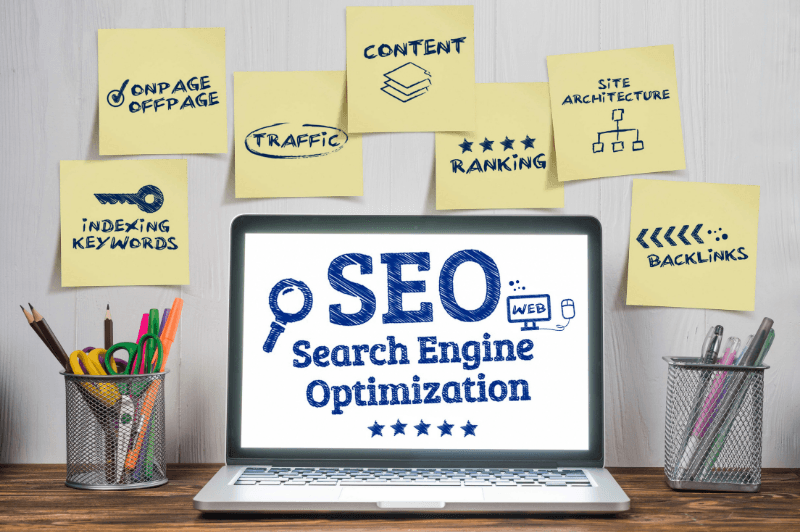
    Local service business team discussing lead generation and customer follow-up
    Local SEO becomes stronger when the business connects visibility with lead capture, tracking, and follow-up.

    SEO builds long-term visibility, but paid ads can help Bay Area local businesses reach high-intent buyers faster.

    Google Ads can capture people actively searching for a service. Meta Ads can create demand, retarget website visitors, and promote specific offers. LinkedIn Ads can support B2B service businesses, especially when targeting decision-makers.

    But paid ads only work well when the system after the click is strong.

    A business should not run ads into a weak homepage and expect strong results.

    Paid traffic should usually go to a focused landing page built around one service, one market, and one action.

    For example, a Bay Area business may need a dental implant landing page, kitchen remodeling quote page, med spa appointment page, legal consultation page, or B2B consultation page.

    The ad gets attention. The landing page converts that attention.

    If your business needs paid media connected to better tracking and conversion strategy, review my Paid Advertising services.

    Build Landing Pages That Turn Visitors Into Leads

    Website lead generation depends heavily on page structure.

    A normal website page may educate. A lead generation landing page should convert.

    For Bay Area local businesses, a strong landing page should include a clear headline, specific service offer, local relevance, trust signals, reviews or proof, a simple form, click-to-call button, appointment booking option, FAQ section, clear next step, and conversion tracking.

    The goal is to reduce friction.

    A visitor should understand what you offer, who it is for, what happens next, and why they should contact you now.

    This is especially important in competitive Bay Area markets where potential customers may compare several businesses before making a decision.

    Bay Area small business owner checking website leads and appointment requests
    A lead generation landing page should make the next step clear, direct, and easy to complete.

    Use CRM to Stop Losing Leads

    Many businesses think the lead generation problem is traffic, but the real issue is often follow-up.

    Leads get lost in email inboxes, spreadsheets, missed calls, website forms, social media messages, and staff conversations.

    A CRM solves this by organizing leads into a clear pipeline.

    A good CRM setup can track lead name, contact details, source, service requested, inquiry status, appointment status, follow-up status, notes, sales stage, and closed or lost outcome.

    This is where a local business starts operating better.

    Instead of asking, “Did we get leads?” the business can ask, “Which leads came in, where did they come from, who followed up, and what happened next?”

    That is the difference between marketing activity and a real lead generation system.

    Automate Follow-Up Without Removing the Human Touch

    Fast follow-up can improve lead conversion.

    If someone fills out a form and waits two days for a response, they may already book with another provider.

    Automation helps reduce this gap.

    A simple follow-up system can include instant lead notification, automatic confirmation message, CRM pipeline update, internal team alert, follow-up reminder, appointment confirmation, no-show follow-up, and long-term nurture sequence.

    Automation does not replace human sales conversations. It supports them.

    For Bay Area businesses with higher service values, even one missed lead can mean lost revenue. This is why CRM and follow-up should be part of the lead generation system from the beginning.

    A similar full-funnel principle applies outside the U.S. as well. This article on how Singapore local businesses can generate more leads explains how SEO, landing pages, CRM, automation, and tracking work together to improve lead quality and response speed.

    Track Calls, Forms, and Booked Appointments

    If you are not tracking lead actions, you are guessing.

    Bay Area businesses should not only track clicks and website visits. They should track meaningful actions.

    This includes phone clicks, contact form submissions, booking form submissions, quote requests, consultation requests, landing page conversion rate, cost per lead, lead source, booked appointment rate, and closed revenue by source.

    Google Analytics Help explains how businesses can report on lead generation form activity, including form views, form starts, and form submissions. You can review the guidance here: Google Analytics Help.

    This matters because a campaign can look good in clicks but weak in real lead quality.

    One campaign may produce cheaper leads but few booked appointments. Another may produce fewer leads but better clients.

    Without tracking, you cannot know which one deserves more budget.
    Local business marketing dashboard showing calls, forms, and booked appointments
    Tracking helps local businesses see which campaigns produce calls, forms, booked appointments, and qualified sales opportunities.

    Understand the Local Market and Competitors

    The Bay Area is not one single market.

    San Francisco, Oakland, San Jose, Palo Alto, Berkeley, Fremont, Walnut Creek, and surrounding areas can have different customer behavior, income levels, service demand, and competition.

    That is why local businesses should understand the market before choosing keywords, offers, and campaigns.

    The SBA’s guide on market research and competitive analysis explains that market research helps businesses find customers, while competitive analysis helps businesses become distinct. You can review the SBA resource here: SBA.gov Market Research and Competitive Analysis.

    For local lead generation, that means you need to understand who your best customers are, what services they search for, which competitors appear in local results, what offers competitors use, what proof customers expect, which locations are worth targeting, and which services create the best return.

    This helps prevent wasted SEO and ad spend.

    How Bay Area Businesses Can Build a Lead Generation System

    A practical lead generation system does not need to be complicated at the start.

    It needs to be clear.

    A basic system can look like this:

    1. Identify the highest-value services.
    2. Build or improve service pages.
    3. Create focused landing pages for paid ads.
    4. Improve local SEO and Google Business Profile visibility.
    5. Add clear forms, phone buttons, and booking options.
    6. Connect every lead source to a CRM.
    7. Automate first response and follow-up reminders.
    8. Track calls, forms, bookings, and close rates.
    9. Review which channels produce the best leads.
    10. Improve based on data.

    This is how a local business moves from random marketing activity to a measurable growth system.

    If you are comparing SEO support, this guide on local SEO specialist vs consultant explains when a business needs execution, strategy, diagnosis, or full-funnel growth support.

    Bay Area local business using SEO and paid ads to generate qualified leads
    The strongest local lead generation systems connect SEO, paid ads, landing pages, CRM, tracking, and follow-up.

    Common Lead Generation Mistakes

    Bay Area local businesses often lose leads because of avoidable system gaps.

    Common mistakes include sending all traffic to the homepage, running ads without conversion tracking, having weak service pages, not using local SEO properly, not tracking phone calls, using forms that are too long or unclear, responding too slowly, not using CRM, measuring clicks instead of booked appointments, not separating lead quality by channel, and treating SEO and paid ads as separate systems.

    The strongest local businesses do not just get more traffic. They improve the full path from search to sale.

    Final Thoughts

    Bay Area local businesses can generate more leads by building a system, not by relying on one tactic.

    SEO helps build long-term visibility. Paid ads help capture demand faster. Landing pages improve conversion. CRM organizes leads. Automation improves follow-up. Tracking shows what is working.

    For local service businesses, the goal is not just more traffic.

    The goal is more calls, forms, booked appointments, and qualified sales opportunities.

    If your Bay Area business is getting traffic but not enough leads, the issue may not be visibility alone. It may be the system after the click.

    Business Details

    JC Growth Systems Inc. Bay Area Lead Generation Support.

    Full-funnel growth systems for Bay Area local businesses, service businesses, clinics, consultants, B2B providers, and appointment-based businesses that need more qualified leads, calls, forms, and booked appointments.

    JC Growth Systems Inc. Founder: JC Ricarte Tagaytay City, Cavite, Philippines +63 905 348 0603 WhatsApp: +63 905 348 0603 carlo.ricarte093@gmail.com LinkedIn: JC Ricarte

    Frequently Asked Questions

    What is local lead generation?

    Local lead generation is the process of attracting people in a specific service area and turning them into calls, forms, appointments, quote requests, or sales opportunities. It usually includes SEO, paid ads, landing pages, CRM, automation, and follow-up.

    How can Bay Area local businesses generate more leads?

    Bay Area local businesses can generate more leads by improving local SEO, creating focused landing pages, running targeted paid ads, using CRM, tracking calls and forms, and following up quickly with every lead.

    Is SEO enough for local lead generation?

    SEO is important, but SEO alone is usually not enough. A stronger system connects SEO with landing pages, lead capture, tracking, CRM, and follow-up so traffic can turn into real inquiries and appointments.

    Should Bay Area businesses use paid ads for lead generation?

    Yes. Paid ads can help Bay Area businesses generate leads faster, especially for high-intent services. However, ads should be connected to strong landing pages, conversion tracking, CRM, and follow-up systems.

    What should a lead generation website include?

    A lead generation website should include clear service pages, local relevance, strong calls to action, simple forms, phone buttons, appointment booking options, trust signals, FAQs, internal links, and conversion tracking.

    Why is CRM important for local lead generation?

    CRM is important because it helps businesses store, organize, track, and follow up with leads. Without CRM, leads can get lost in emails, spreadsheets, missed calls, or manual follow-up gaps.


  • How Singapore Local Businesses Can Generate More Leads

    How Singapore Local Businesses Can Generate More Leads

    Many local businesses in Singapore do not have a traffic problem first. They have a system problem.

    They may run paid ads, post on social media, build a website, or list their business online, but still struggle to turn attention into real inquiries, appointments, and sales opportunities.

    This is why lead generation in Singapore should not depend only on paid ads. Paid ads can help bring traffic quickly, but traffic alone does not build a reliable customer acquisition system.

    A stronger approach connects SEO, landing pages, lead capture, CRM, automation, follow-up, conversion tracking, and reporting into one system.

    For Singapore SMEs, service businesses, consultants, clinics, agencies, and appointment-based businesses, the goal is not just to get more clicks. The goal is to generate better inquiries, respond faster, qualify leads properly, and convert more of those leads into booked appointments or sales conversations.

    Singapore small business owner managing online orders and customer inquiries
    Singapore local businesses need more than traffic. They need a system that turns inquiries into booked opportunities.

    What Lead Generation Means for Singapore Businesses

    Lead generation means attracting people who may be interested in your product or service and giving them a clear way to contact, inquire, book, or request more information.

    For local businesses in Singapore, this can include website form submissions, WhatsApp inquiries, phone calls, appointment bookings, consultation requests, quote requests, event registrations, demo requests, email inquiries, and walk-in intent from local search.

    The mistake many businesses make is thinking lead generation is only about advertising.

    A business can run ads and still lose leads if the landing page is weak, the form is too long, the offer is unclear, the response is slow, or there is no CRM follow-up.

    That is why the better question is not only “How do we get more leads?” The better question is: how do we build a system that attracts, captures, tracks, follows up, and converts leads properly?

    Paid ads are useful because they can create fast visibility. Google Ads, Meta Ads, LinkedIn Ads, and other paid channels can help Singapore businesses reach people who are already searching or who fit a target audience.

    But paid ads have limits.

    If your offer is unclear, your landing page does not convert, your sales team responds slowly, or you do not track which leads became customers, more ad spend can simply create more waste.

    Common paid ads problems include high cost per lead, low-quality inquiries, poor landing page conversion, no follow-up after form submissions, no CRM pipeline, weak tracking for calls and bookings, unclear reporting, and leads going cold because the business replies too late.

    This is why paid ads should be part of a larger lead generation system, not the whole strategy.

    For Singapore businesses, especially SMEs and service-based companies, ad spend needs to connect to the full customer journey:

    Traffic → landing page → form or booking → CRM → follow-up → qualification → appointment → sale

    If one part is weak, the whole system leaks.

    Start With the System

    Need More Leads From Singapore Search and Ads?

    I can help connect your SEO, landing pages, paid ads, CRM, automation, follow-up, and tracking into one measurable lead generation system.

    Use SEO to Build Long-Term Visibility

    SEO helps local businesses in Singapore become easier to find when people search for services, products, or solutions online.

    Unlike paid ads, SEO can build long-term visibility. It does not mean results are instant, but it can reduce overdependence on paid traffic over time.

    For local businesses in Singapore, SEO should include clear service pages, helpful blog content, local search optimization, Google Business Profile improvements, schema markup, internal linking, strong title tags and meta descriptions, mobile-friendly website structure, and content that answers customer questions.

    SEO should not only bring visitors. It should bring the right visitors and move them toward action.

    That action can be a call, WhatsApp inquiry, booked consultation, quote request, or form submission.

    Enterprise Singapore provides business support resources for SMEs and companies building stronger business capabilities. This supports the bigger point that Singapore businesses need better systems, not just more marketing activity. You can review their business resources here: Enterprise Singapore.

    If you want the basic foundation first, this guide on local SEO for small businesses explains how organic visibility supports Google Maps visibility, service pages, calls, bookings, and qualified leads.

    For businesses that need deeper search visibility support, my SEO, AEO & GEO services focus on connecting organic search, AI search visibility, local pages, conversion tracking, and lead generation systems.

    Singapore cafe owner managing customer orders and business leads on a tablet
    SEO helps Singapore service businesses build visibility beyond paid ads and connect search traffic to real inquiries.

    Build Landing Pages That Convert

    Many businesses send paid ad traffic to a homepage. This is usually not the best path if the goal is lead generation.

    A homepage has many jobs. It introduces the business, explains services, shows credibility, links to other pages, and supports general browsing.

    A landing page has one main job: convert a specific visitor into a specific action.

    For lead generation in Singapore, a landing page should be focused on one service, one audience, one offer, and one clear next step.

    A strong landing page should include a clear headline, simple explanation of the offer, who the service is for, key benefits, proof or trust signals, a simple form, click-to-call or WhatsApp option, appointment booking option, FAQs, strong call to action, and tracking setup.

    For example, a clinic, consultant, tuition provider, renovation company, B2B service firm, or professional service business in Singapore should not only ask for “Contact Us.”

    The page should explain why the visitor should inquire now, what happens after submitting the form, and what result they can expect from the first conversation.

    Capture Leads Properly

    Lead capture is where many businesses lose opportunities.

    A website visitor may be interested, but if the contact process is confusing, they leave.

    For local businesses in Singapore, lead capture should be easy and direct.

    Good lead capture options include short contact forms, appointment booking forms, WhatsApp click-to-chat, call buttons on mobile, quote request forms, consultation forms, lead magnets for B2B services, and inquiry forms connected to CRM.

    The form should ask enough information to qualify the lead, but not so much that people avoid completing it.

    For most service businesses, useful form fields include name, email, phone number, service needed, location or service area, preferred appointment time, short description of the problem, and budget or urgency if relevant.

    The goal is to reduce friction while still giving the business enough information to respond properly.

    Customer paying for an order from a Singapore small business using a card terminal
    Lead capture should make it easy for Singapore customers to inquire, book, call, or request a quote.

    Use CRM to Manage Every Lead

    A CRM is where leads should be stored, organized, tracked, and followed up.

    Without a CRM, leads often get lost in email inboxes, spreadsheets, WhatsApp chats, missed calls, or random notes.

    For Singapore SMEs and appointment-based businesses, CRM matters because lead response speed affects conversion.

    A CRM can help you track new inquiries, lead source, service requested, appointment status, follow-up status, sales pipeline stage, missed leads, closed deals, lost opportunities, and campaign performance.

    This is where a lead generation agency in Singapore should go beyond campaign setup. The agency or growth partner should care about what happens after the lead enters the system.

    A lead that is not followed up properly is not a marketing win. It is a missed business opportunity.

    For businesses that need the CRM, pipeline, automation, and follow-up layer built properly, GoHighLevel automation can help connect lead capture, notifications, pipeline stages, reminders, and follow-up workflows into one operating system.

    Automate Follow-Up Without Losing the Human Touch

    Automation does not mean replacing real customer service.

    Good automation helps the business respond faster, stay organized, and reduce manual follow-up gaps.

    For Singapore local businesses, automation can support instant lead notifications, automatic email replies, WhatsApp follow-up prompts, appointment reminders, missed-call follow-up, lead status updates, CRM pipeline movement, sales team notifications, review requests, and reactivation campaigns.

    The purpose is simple: prevent leads from going cold.

    If someone submits a form and waits two days for a reply, they may already choose another provider.

    A basic follow-up system can include an instant confirmation message, internal notification to the business, follow-up reminder after a few hours, second follow-up after one day, appointment reminder before the scheduled call, no-show follow-up, and long-term nurture sequence.

    GoBusiness Singapore provides digital business resources and government service access for companies operating in Singapore. For SMEs, digital tools create more value when they improve actual workflows, lead handling, and business operations. You can review their resources here: GoBusiness Singapore.

    Track Which Channels Produce Leads

    If you do not track leads properly, you cannot confidently scale marketing.

    Many businesses only look at clicks, impressions, or website visits. These are useful, but they do not show the full picture.

    Lead generation needs deeper tracking.

    For Singapore businesses, important metrics include website visits, landing page views, form starts, form submissions, phone clicks, WhatsApp clicks, appointment bookings, cost per lead, lead quality, booked appointment rate, close rate, and revenue by source.

    This matters because a campaign may look good on the surface but produce weak leads.

    A proper tracking system helps answer questions like which campaign generated the inquiry, which landing page converted, which keywords produced leads, which leads became booked appointments, which channel produced the best lead quality, and which campaign should be scaled or paused.

    Google Analytics Help explains how lead generation performance can be measured by tracking key actions such as visits, form views, form starts, and form submissions. You can review Google’s lead generation measurement guidance here: Google Analytics Help.

    Singapore SME owner preparing handmade products and packaging customer orders
    Tracking helps Singapore SMEs understand which channels create real inquiries, appointments, and sales opportunities.

    Combine SEO, Ads, CRM, and Follow-Up

    The strongest lead generation system does not rely on one channel.

    For Singapore businesses, the practical setup is usually a connected system.

    SEO builds long-term visibility. Paid ads create faster targeted traffic. Landing pages convert specific audiences. CRM stores and organizes leads. Automation improves response speed. Conversion tracking shows what is working. Follow-up turns inquiries into appointments and sales conversations.

    This is the full-funnel view.

    A business does not need a complicated system at the start. It needs the right foundation.

    A simple but effective lead generation system can look like this:

    1. Create a clear service offer.
    2. Build a focused landing page.
    3. Drive traffic using SEO and paid ads.
    4. Capture inquiries through form, call, or WhatsApp.
    5. Send leads into a CRM.
    6. Follow up automatically and manually.
    7. Track leads and booked appointments.
    8. Improve based on data.

    This is where many businesses outperform competitors. They do not always have the biggest ad budget. They have a better system after the click.

    This same full-funnel principle applies in high-income local service markets outside Singapore. For example, this guide on how Bay Area local businesses can generate more leads explains how SEO, paid ads, landing pages, CRM, and follow-up systems work together to create more calls, forms, and booked appointments.

    When Singapore Businesses Should Get Lead Generation Help

    A Singapore business may need lead generation support if ads are getting clicks but few leads, leads are coming in but not converting, inquiries are being missed, staff are manually tracking leads, there is no CRM, follow-up is slow, the website does not explain the offer clearly, landing pages are weak, Google Analytics is not tracking forms or bookings, marketing reports are confusing, or the business depends too much on paid ads.

    The right support should not only focus on traffic.

    A proper lead generation system should improve the full journey from first click to booked appointment or sales opportunity.

    If the main issue is search visibility, it also helps to understand the difference between execution support and strategic diagnosis. This guide on local SEO specialist vs consultant explains when a business needs implementation, consulting, or a full-funnel growth operator who can connect SEO to leads, tracking, and follow-up.

    For businesses comparing a lead generation agency Singapore option, the key question should be:

    Will this provider only bring traffic, or will they help build the system that converts traffic into real leads?

    How JC Growth Systems Helps Singapore Businesses

    JC Growth Systems Inc. helps local businesses and SMEs build practical lead generation systems that connect traffic, landing pages, CRM, automation, tracking, and follow-up.

    The focus is not just ranking, running ads, or building pages in isolation.

    The focus is building a system that helps the business generate, manage, and convert leads more consistently.

    For Singapore local businesses, this can include SEO, AEO and GEO strategy, paid advertising campaigns, landing pages, GoHighLevel automation, CRM pipeline setup, lead follow-up workflows, AI appointment agents, AI chatbots, conversion tracking, marketing reporting, and growth consulting.

    Singapore small business owner standing inside a warehouse with inventory shelves
    A connected lead generation system helps Singapore businesses manage traffic, inquiries, CRM follow-up, and booked opportunities.

    Final Thoughts

    Local businesses in Singapore can generate more leads without depending only on paid ads.

    The better strategy is to build a full lead generation system.

    Paid ads can bring traffic. SEO can build long-term visibility. Landing pages can improve conversion. CRM can organize leads. Automation can improve response speed. Tracking can show what is working. Follow-up can turn more inquiries into appointments and sales opportunities.

    The business that wins is not always the one spending the most.

    It is often the business with the clearest offer, the strongest conversion path, the fastest follow-up, and the best tracking.

    If your Singapore business is getting traffic but not enough leads, or getting leads but not enough booked appointments, the issue may not be traffic. The issue may be the system after the click.

    Business Details

    JC Growth Systems Inc. Lead Generation Support.

    Full-funnel growth systems for Singapore SMEs, local businesses, consultants, clinics, B2B service providers, and appointment-based businesses that need more qualified leads, booked calls, and sales opportunities.

    JC Growth Systems Inc. Founder: JC Ricarte Tagaytay City, Cavite, Philippines +63 905 348 0603 WhatsApp: +63 905 348 0603 carlo.ricarte093@gmail.com LinkedIn: JC Ricarte

    Frequently Asked Questions

    What is lead generation for Singapore businesses?

    Lead generation for Singapore businesses is the process of attracting potential customers and turning them into inquiries, calls, appointments, quote requests, or sales opportunities. It usually involves SEO, paid ads, landing pages, forms, CRM, automation, tracking, and follow-up.

    How can local businesses in Singapore generate more leads?

    Local businesses in Singapore can generate more leads by improving SEO visibility, using focused landing pages, running targeted paid ads, capturing inquiries clearly, using a CRM, automating follow-up, and tracking which channels produce quality leads.

    Should Singapore businesses depend only on paid ads for leads?

    No. Paid ads can generate traffic quickly, but relying only on ads can become expensive. A stronger system combines paid ads with SEO, landing pages, CRM, automation, follow-up, and conversion tracking.

    What should a lead generation agency in Singapore provide?

    A lead generation agency in Singapore should provide more than ads. It should help with strategy, landing pages, lead capture, CRM setup, automation, conversion tracking, reporting, and follow-up systems that help turn leads into appointments or sales opportunities.

    Is SEO useful for lead generation in Singapore?

    Yes. SEO helps Singapore businesses build long-term visibility for service, local, and problem-based searches. It works best when connected to strong landing pages, clear calls to action, lead tracking, and CRM follow-up.

    Why is CRM important for lead generation?

    CRM is important because it helps businesses store, organize, track, and follow up with leads. Without a CRM, leads can get lost in emails, spreadsheets, WhatsApp messages, or missed calls.

    What should Singapore businesses track for lead generation?

    Singapore businesses should track website visits, form views, form submissions, phone clicks, WhatsApp clicks, appointment bookings, cost per lead, lead quality, booked appointment rate, and closed sales by source.